Shelfwise. Read the playbook
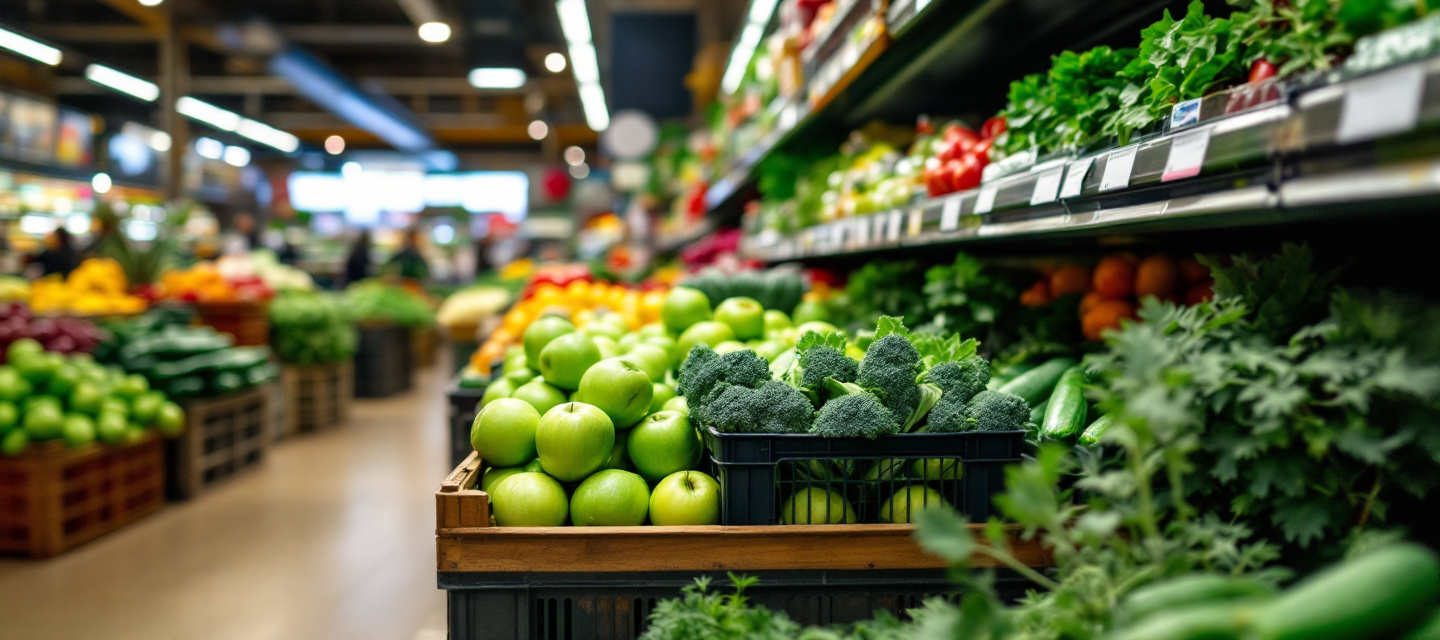
Fresh vegetables and fruit stacked on a supermarket shelf with green price labels
Independent shopping guide

Discounts are designed. Learn to read the design.

Every yellow sticker, multibuy shelf-talker and loyalty price is the result of a decision made in a pricing office. Shelfwise explains how those decisions work โ€” so you can tell a genuine saving from a clever nudge, and fill your basket for less without buying things you never wanted.

7Discount mechanics explained in plain words
30โ€“70%Typical reduction range on end-of-day markdowns
0Sign-ups, accounts or personal data required
24Label terms decoded in the glossary
Why it works

A discount only counts if it changes what you actually pay

Retailers don't cut prices out of generosity โ€” they cut them to move stock, defend market share and build habits. Once you know which goal a promotion serves, you can decide in two seconds whether it serves you too.

Read the unit price, not the poster

The small print under the shelf label โ€” price per kilo, litre or 100 g โ€” is the only number that lets you compare a “3 for 2” pack against the plain one next to it. It is legally required in most markets and almost always ignored.

Know the markdown clock

Fresh departments reduce in waves: a first cut in the late morning for bakery, a deeper one before the last delivery window, and a final sweep an hour or two before closing. The pattern is remarkably stable per store.

Spot the promotional cycle

Most staples rotate on a four to eight week promo cycle. If coffee is on offer today, it will very likely be on offer again before your current pack runs out โ€” which is your permission to buy one, not five.

Stack in the right order

Loyalty price first, then coupon, then cashback, then payment-method rebate. Applied in the wrong order โ€” or on the wrong day โ€” a stack that should save a fifth of the basket quietly collapses into nothing.

Match deals to a real meal plan

A half-price bag of spinach that wilts in the drawer is a 100% loss, not a 50% saving. The cheapest discount discipline is deciding what you will cook before you decide what is worth grabbing.

Recognise a fake reduction

“Was” prices that lasted three days, shrinking pack sizes at a frozen price, and “special buy” lines that were never sold at full price: we describe the patterns so you can check them yourself at the shelf.

How to save

The four-step routine, from kitchen table to checkout

You don't need an app, a spreadsheet or three hours of couponing. You need a repeatable order of operations that takes about ten minutes a week and survives a tired Thursday evening.

Audit before you plan

Open the fridge, freezer and one cupboard. Write down what must be used this week. Every discount decision afterwards gets measured against that list โ€” it is what stops promotions from turning into clutter.

Scan the weekly leaflet

Most chains publish the coming week's offers a day or two early, in print or online. Mark only the items that overlap with your list and your regular staples, and note the start date: some offers begin midweek, not Monday.

Shop the perimeter at the right hour

Fresh markdowns live on the outer ring of the store: bakery, produce, meat, chilled. Learn your branch's reduction times, then arrive during the deepest wave that still leaves the shelves stocked โ€” usually late evening on weekdays.

Verify at the till, not at home

Check the receipt before you leave. Mispriced promotions, expired multibuys and loyalty prices that failed to apply are common, and almost every chain will correct them on the spot if you ask politely.

Discount types

Seven mechanics, and what each one is really asking of you

The table below is the short version of everything on this site: what the offer looks like, who benefits most, and the trap that comes attached.

MechanicTypical savingBest forWatch out forVerdict
Yellow-sticker markdown
Short-dated fresh food
30โ€“70%Meals cooked or frozen within 24โ€“48 hoursTiming lottery; the deepest cuts sell out fastestStrongest value
Loyalty-card price
Member-only shelf price
10โ€“35%Repeat staples you buy anywayThe non-member price is often quietly raised firstUsually worth it
Multibuy (3 for 2, 2 for ยฃX)15โ€“33%Long-life goods: pasta, tins, detergentForces volume; useless on perishablesConditional
Paper & digital coupons5โ€“25%Trying a product you were curious aboutMinimum spend thresholds and short windowsConditional
Cashback & rebate apps3โ€“15%Planned larger basketsDelayed payout; encourages extra tripsMarginal
Clearance & end-of-line25โ€“60%Non-food: cookware, seasonal stockNo restock, no exchange in some chainsGood if needed
“Was / now” headline deal0โ€“20% realRarely anythingReference price may have existed for days onlyVerify first

Monday

New leaflets land in most chains. Ten minutes to mark overlaps with your use-it-up list.

Wednesday

Midweek promo starts and the first restock gap โ€” good for clearance on non-food.

Thursday evening

Pre-weekend deliveries push older fresh stock into the first markdown wave.

Sunday, late

Deepest reductions of the week on bakery, chilled and prepared food before closing.

Key facts

Numbers worth carrying in your head

Approximate, but stable enough to plan around in most European and North American grocery chains. Always sanity-check against your own store.

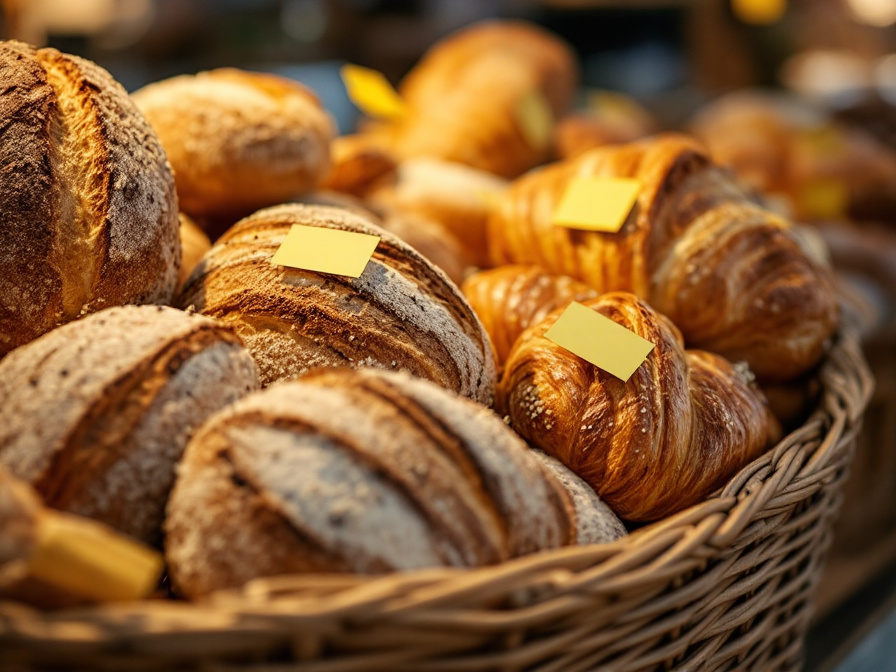
Reduced-price bread and pastries in a bakery basket at the end of the day

Bakery is the earliest to fall

In-store bakery cannot be sold the next day in most chains, so it enters the markdown cycle first โ€” often from mid-afternoon, and at the steepest final percentage of any department.

The 100 g rule

Comparing per 100 g or per litre exposes roughly one in four multibuys as no cheaper than the standard pack. It takes three seconds and is the single highest-return habit on this page.

Shrinkflation is a hidden price rise

A pack that drops from 500 g to 450 g at an unchanged price is a 10% increase. Only the unit price on the shelf label reveals it, which is why it usually goes unnoticed for months.

Your freezer is the discount engine

Bread, milk, hard cheese, cooked rice, raw meat and most fruit freeze well. A freezer turns time-limited markdowns into stock you actually get to eat, which is where the saving becomes real.

Glossary

Shelf-label language, decoded

The words printed on labels and leaflets are precise โ€” they just aren't explained. Here is what the most common ones actually mean.

Unit price
The price per standard measure (kg, litre, 100 g, per item). The only number that makes two different pack sizes directly comparable.
Reference price
The “was” figure a discount is measured against. In many jurisdictions it must be the lowest price charged in the previous 30 days.
Markdown
An in-store reduction applied to stock nearing its date or being cleared, usually via a printed sticker rather than the shelf label.
Multibuy
A conditional offer requiring a minimum quantity: 3 for 2, 2 for a fixed price, or a second item at half price.
Loss leader
A product sold at or below cost to bring shoppers into the store, on the assumption they will fill the rest of the basket at full margin.
Shelf-talker
The coloured card projecting from the shelf edge. Its job is to interrupt your scan; it is not proof of a genuine reduction.
Best before
A quality date. Food is usually safe and perfectly edible afterwards โ€” this is the date most markdowns are built around.
Use by
A safety date on highly perishable goods. Do not eat after it; freeze on or before the date instead if you bought it reduced.
Own label / private label
The retailer's own brand, typically 20โ€“40% below the branded equivalent and often produced in the same factory.
Price lock
A pledge to hold a set of everyday prices for a period. Useful for staples, but usually excludes the items that move the most.
End cap
The display at the end of an aisle. Prime paid-for space โ€” high visibility does not imply a lower price.
Basket threshold
A minimum spend needed to unlock a coupon or delivery discount. Frequently costs more to reach than the discount returns.
FAQ

Questions we get asked most

What time do stores usually reduce fresh food?

There is no universal hour, but the shape is consistent: a light first wave in the early afternoon, a bigger one around late afternoon, and the deepest cuts in the last one to two hours before closing. Smaller city-centre branches reduce earlier because they close earlier. The reliable method is to visit the same store at two different evening times over a fortnight and note when the stickered trolley appears โ€” staff schedules rarely change.

Is reduced food near its date safe to eat?

“Best before” is a quality indicator, and most dry, tinned and baked goods remain fine well beyond it. “Use by” is a safety limit on items like raw meat, fish and some dairy โ€” respect it, or freeze the product on or before that date and cook it straight from frozen later. Reduced does not mean unsafe; it means the retailer would rather sell it cheaply than write it off.

Are loyalty-card prices genuinely cheaper?

Often yes, and on regular staples they are one of the more honest mechanics. The caveat is that some chains have raised the standard price when introducing a member price, so the “discount” is partly optical. Track two or three items you buy every week for a month: if the member price is stable and clearly below the historic normal price, the card is earning its keep.

Can I combine several discounts on the same item?

Frequently, but the order matters. A loyalty price is applied at the shelf, a coupon at the till, and cashback afterwards through an app. Many coupons explicitly exclude already-reduced or multibuy lines, and stickered markdowns are commonly excluded from percentage-off vouchers. Read the exclusion line โ€” it is always the smallest text on the coupon.

Do multibuys actually save money?

On long-life goods you would buy anyway, yes. On anything perishable, a multibuy is a bet that you will eat all of it in time. Check the unit price first: a meaningful minority of multibuys are priced level with, or marginally above, the single pack โ€” particularly when the promotional pack has a different size to the standard one.

Does Shelfwise list current prices from specific shops?

No. We are an explanatory guide, not a price tracker. Prices vary by country, chain, branch format and week, and any list would be wrong within days. What we publish are the mechanics, the timings and the checks โ€” knowledge that stays valid whichever store you walk into.

Do you collect any data about visitors?

The site has no forms, no accounts and no newsletter. There is nothing to fill in and nothing to submit. Details of the minimal technical data involved in serving a website are in our Privacy Policy and Cookie Notice.

Start this week

One list, one leaflet, one well-timed trip

Take ten minutes before your next shop: check what needs using up, scan the week's offers, and pick the hour you go. That is the whole method โ€” everything else on Shelfwise is detail to sharpen it.